Bible
-

In a world where a king is celebrated and honored, and his wishes and desires are immediately met, we are introduced to a woman who stands up for her own dignity and refuses a request made by the king. Request is a dubious word choice. A request by the king is more than just a…
-
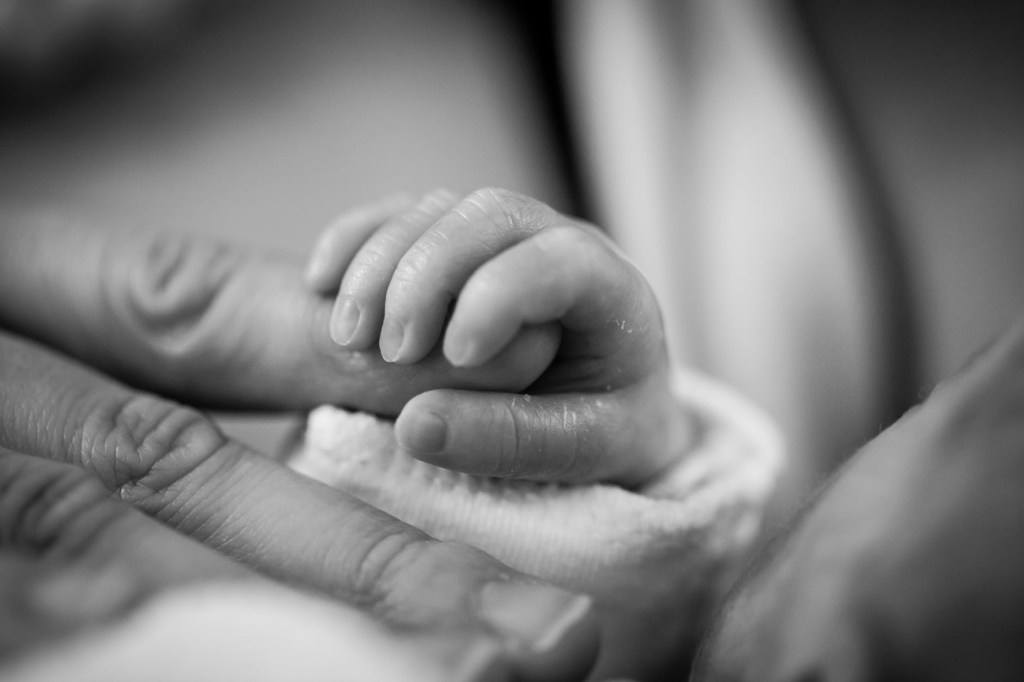
The metaphor of midwife is used of God to help better understand God as a deliverer when the people of Israel are in Babylonian exile (Ps. 22, 71). L. Juliana M. Claassens writes, “The image of the midwife powerfully communicates the commitment to preserve life in life-and-death situations.”[1] Just as the metaphor of God as…
-

Scripture: John 8:1-11 But Jesus went to the Mount of Olives. Early in the morning He came again into the temple, and all the people were coming to Him; and He sat down and began to teach them. The scribes and Pharisees brought a woman caught in adultery, and having set her in the center…
-

After her death, Jephthah’s daughter is remembered by the daughters of Israel, but does the biblical narrative of her death attempt to praise her for simply being an obedient daughter? If so, should one be satisfied with celebrating adherence to patriarchal values, especially when it had disastrous results? Is justice served to this daughter of…
-

While we may not remember the heroic woman of Thebez, she was remembered in Israelite history, particularly by those engaged in battle. In the story of David and Bathsheba, David commanded Joab to send Uriah to the front of the battle so that he was sure to be killed. After the battle, Joab sends a…
-

How many times a day are we on social media checking to see how much interaction there is on our posts and tweets? Are we becoming obsessed with trying to be an influence in the sphere of social media? In a world where we vie for likes and followers on Facebook, Twitter, Instagram, TikTok, and…
-

It was the annual festival at Shiloh and as was the custom, the ladies were getting ready to participate in celebratory dance. Little did they know that on this particular day their joyful dance would be interrupted by them being forcefully seized to provide men with child-bearing wombs. Dancing was most often, but not always,…
-

Defined by her work and her past, Lydia nevertheless overcomes societal biases and makes a huge impact of the establishment of Christian faith in the city of Philippi. While most commentators define Lydia as a wealthy merchant, this may not be the case.[1] Lydia is from Thyatira in the region of Lydia, for which she…
-

While walking down the aisle on one’s wedding day, most are envisioning a happy and joyful future. What happens when the wedding processional of the soothing cadence of “Canon in D” instead becomes a prelude to a funeral pyre? The Timnite woman did not experience wedded bliss, instead she was thrust into a situation where…
-

Achsah is one of the women in the Bible whose name is given, which is significant. However, her name, like the circumstances surrounding her introduction, pictures her as a powerless bargaining chip in the conquest of the Promised land. “Then from there he went against the inhabitants of Debir (now the name of Debir formerly…
 Michelle Mosier